10 Japanese Movies So Good I Envy Anyone Watching Them for the First Time — Part 1
tarumaki
Enter the Moment
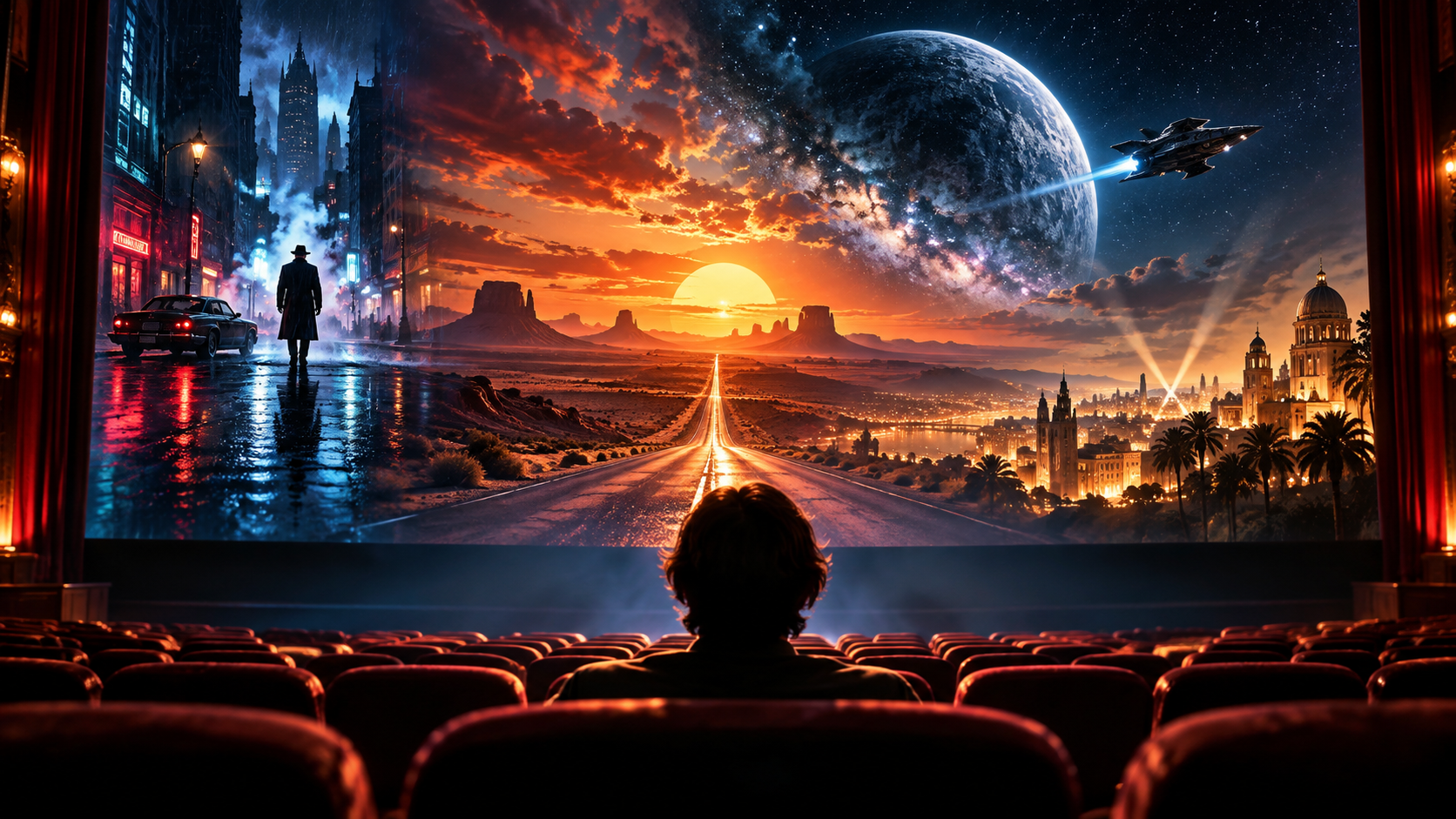
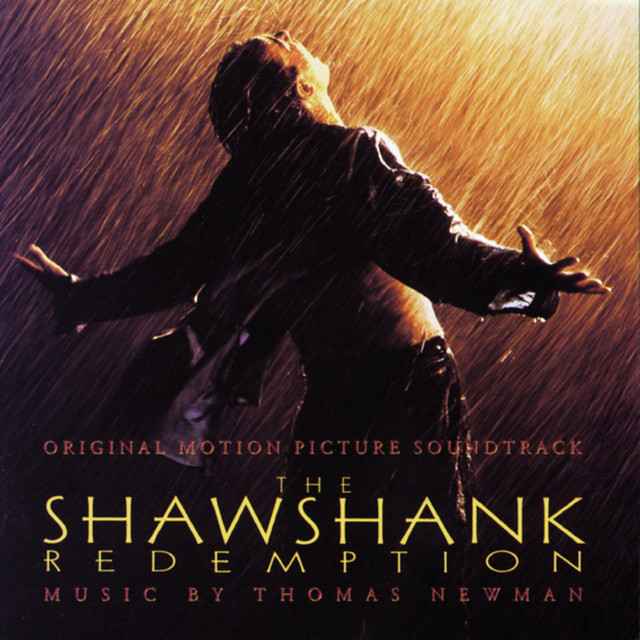
Produced in 1994; released theatrically in Japan in June 1995 / Director and Screenwriter: Frank Darabont / Cast: Tim Robbins, Morgan Freeman, Bob Gunton, and others
Young banker Andy Dufresne is sentenced to life for murdering his wife and her lover, then sent to Shawshank prison. His claim of innocence changes nothing. He must spend years inside an institution ruled by violence, routine, and arbitrary power.
There, Andy meets Red, a prisoner known for obtaining items from outside. Their friendship begins at a distance and grows through small requests, quiet conversations, and the passing of time.
The film does not rescue its hero through an easy miracle. It carefully accumulates the consequences of daily choices. Andy rarely gives grand speeches about hope. He uses his knowledge, observes the people around him, and refuses to surrender the small possibilities still available to him. Gradually, his presence changes the atmosphere around others.
Tim Robbins gives Andy a reserved strength, while Morgan Freeman’s voice carries the weariness of a man who has lived without expecting freedom. Their friendship becomes more moving with every passing year. By the end, viewers may feel as if they have spent a substantial part of their own lives beside them.
Hope here does not mean ignoring reality. It means seeing injustice clearly while refusing to hand over one’s inner life. Anyone watching for the first time deserves to discover how those patient choices finally connect.
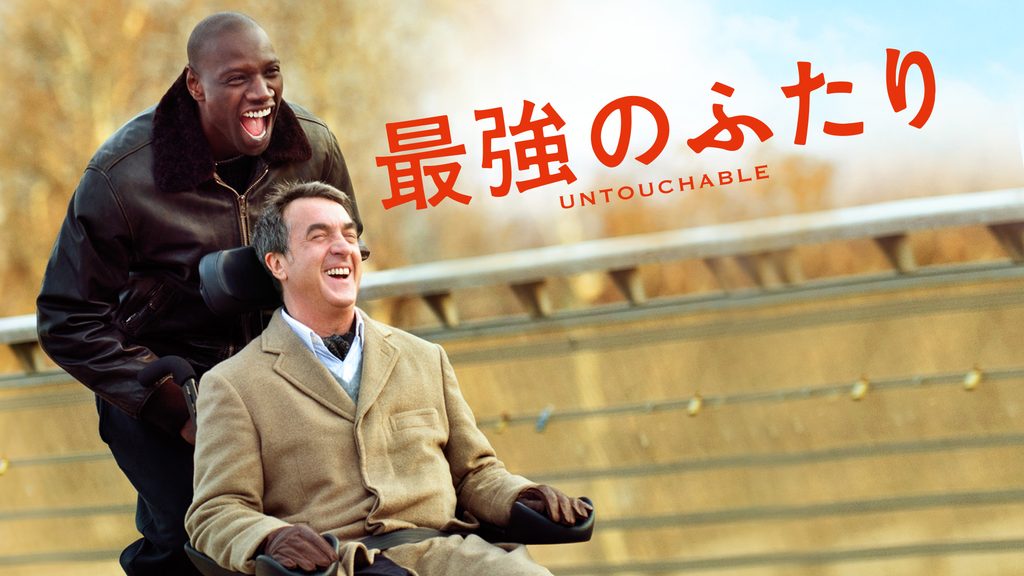
Produced in 2011; released theatrically in Japan in September 2012 / Directors and Screenwriters: Éric Toledano and Olivier Nakache / Cast: François Cluzet, Omar Sy, Anne Le Ny, and others
Philippe is a wealthy man who became quadriplegic after an accident. During interviews for a live-in caregiver, he meets Driss, a young man who does not want the job and only needs proof that his application was rejected. Philippe unexpectedly hires him.
The two differ in age, background, manners, and musical taste. Driss has no experience as a caregiver, yet he does something others struggle to do: he treats Philippe as a person, without excessive caution or pity.
The film does not overexplain their friendship. It lets their relationship emerge through clashing playlists, mistakes, teasing, and the gradual return of joy to everyday life. Omar Sy changes a room with his physical energy, while François Cluzet communicates through facial expression, voice, and the smallest reactions. Their contrasting performance styles become part of the friendship itself.
Although the story deals with disability and social inequality, it avoids reducing its characters to symbols of suffering. Neither man simply “fixes” the other. Their presence gives each of them the courage to restart a part of life that had stopped moving.
Warm, funny, and emotionally direct, The Intouchables reminds us that respect does not always arrive in polite language. Sometimes it begins when another person is willing to speak honestly and remain beside us.
(C)2019 STX Financing, LLC. All Rights Reserved.
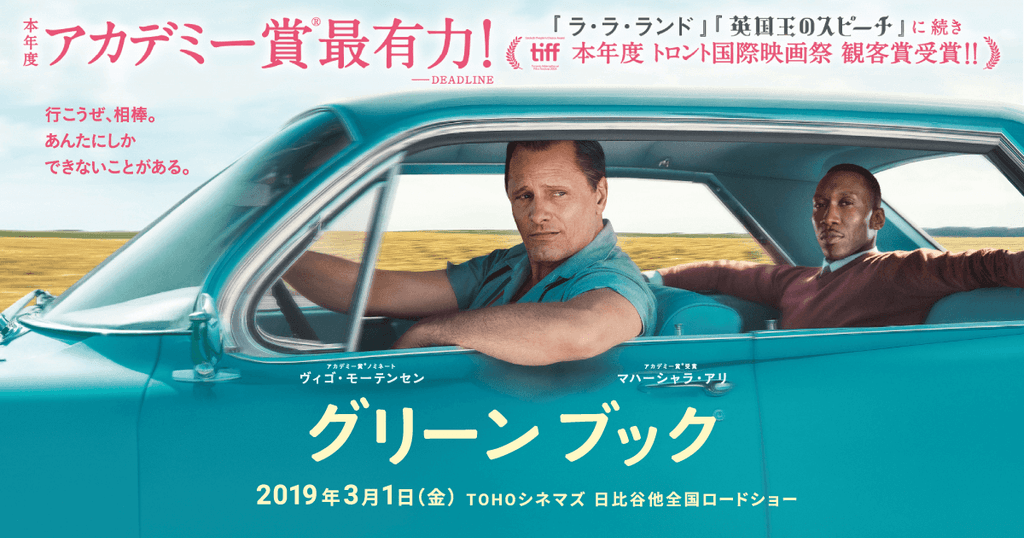
Produced in 2018; released theatrically in Japan in March 2019 / Director: Peter Farrelly / Screenwriters: Nick Vallelonga, Brian Currie, and Peter Farrelly / Cast: Viggo Mortensen, Mahershala Ali, Linda Cardellini, and others
In 1962, New York nightclub bouncer Tony Lip is hired to drive acclaimed pianist Dr. Don Shirley through the American South. They rely on the Green Book, a guide listing places considered relatively safe for Black travelers during segregation.
Tony is loud, impulsive, and comfortable with disorder. Shirley is educated, precise, and highly controlled. Inside a car, with little room to escape one another, their assumptions repeatedly collide. Those conflicts are not merely comic interruptions; they become the route through which each man begins to understand the other.
Viggo Mortensen uses posture, appetite, and physical looseness to define Tony. Mahershala Ali conveys Shirley’s pride and loneliness through an upright body, measured language, and restrained pauses. Celebrated onstage yet denied dignity elsewhere, Shirley carries a contradiction that the film makes painfully visible.
Their differences do not disappear. Instead, they learn to help each other without becoming identical. The film combines humor, music, and the pleasures of a road movie while leaving room to consider how easily people mistake social categories for personal knowledge.
Green Book is most rewarding when approached not as a lecture, but as a story of two difficult men who slowly become capable of seeing one another more clearly.
(C)2018 UNIVERSAL STUDIOS AND STORYTELLER DISTRIBUTION CO., LLC. All Rights Reserved.
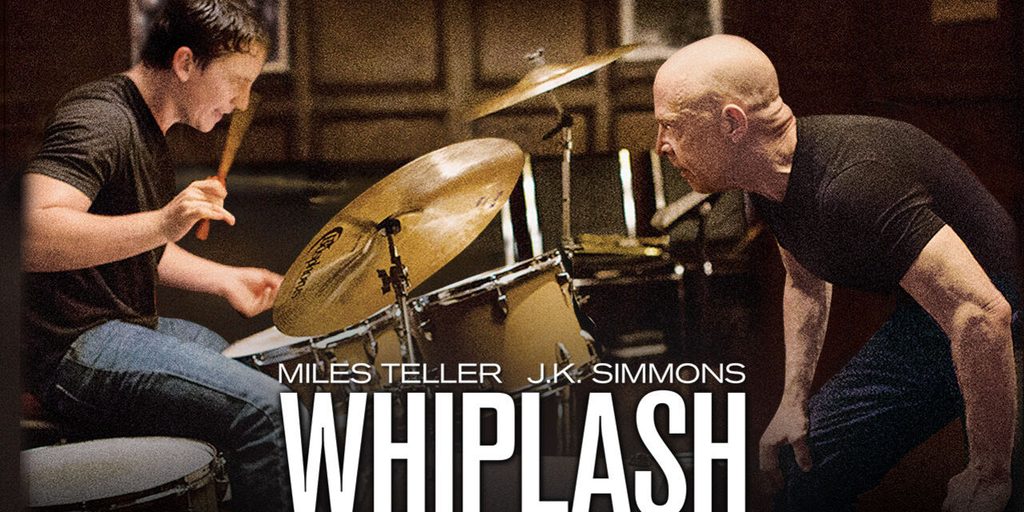
Produced in 2014; released theatrically in Japan in April 2015 / Director and Screenwriter: Damien Chazelle / Cast: Miles Teller, J. K. Simmons, Paul Reiser, and others
Andrew Neiman dreams of becoming a great jazz drummer. At an elite music school, he is invited to join a studio band led by the feared instructor Terence Fletcher. The invitation appears to recognize Andrew’s talent, but it also begins a brutal and increasingly dangerous apprenticeship.
Fletcher demands perfect time and uses insults, humiliation, and psychological pressure to force students beyond their limits. Andrew, desperate to be exceptional, responds by practicing until his body and relationships begin to break down.
This is not a comforting story in which hard work naturally produces success. It asks whether abusive pressure can ever be justified by artistic achievement and whether greatness is worth the destruction left behind. The film refuses to settle the question neatly.
During performances, drumsticks, sweat, blood, eyes, and tiny shifts in tempo are isolated through sharp editing. Music becomes a physical contest. Miles Teller’s desperation collides with J. K. Simmons’s terrifying control, creating a finale so intense that it is difficult to decide whether it feels triumphant or horrifying.
The verbal abuse and psychological manipulation are severe, and viewers may respond differently to them. Yet the convergence of performance, cinematography, editing, and sound is extraordinary. Experience that rising tension without learning where it leads.
(C)2018 UNIVERSAL STUDIOS AND STORYTELLER DISTRIBUTION CO., LLC. All Rights Reserved.
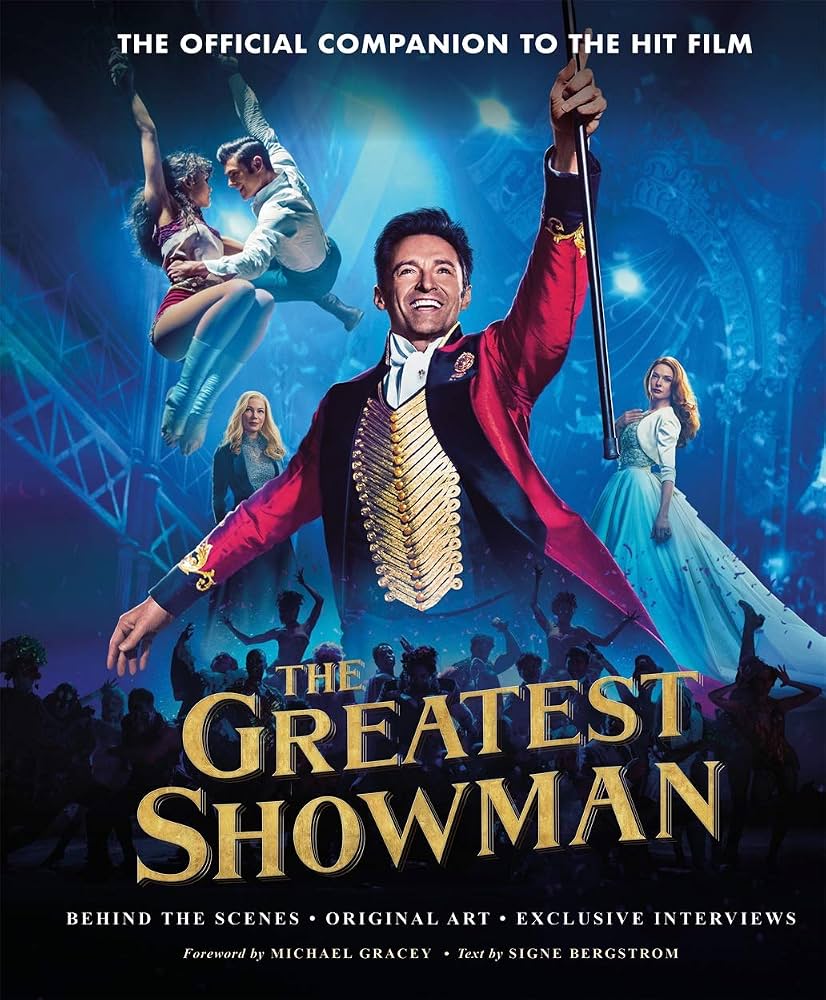
Produced in 2017; released theatrically in Japan in February 2018 / Director: Michael Gracey / Screenwriters: Jenny Bicks and Bill Condon / Cast: Hugh Jackman, Zac Efron, Michelle Williams, Zendaya, and others
P. T. Barnum grows up poor and dreams of giving his wife and daughters a richer life. After losing his job, he decides to create a show unlike anything audiences have seen, bringing together performers whose distinctive appearances had forced them to live out of sight.
The film’s great strength is the way music rises at the same moment as dramatic feeling. Ambition, shame, anger, and joy become too large for ordinary speech, so the characters sing. Their steps, gazes, and gestures join the rhythm.
“The Greatest Show” delivers the excitement of an opening night, while “This Is Me” allows performers who have endured judgment to move forward without hiding. Even before every lyric is understood, emotion is communicated through voices and bodies.
Barnum’s ambition also becomes a hunger for approval. The same drive that creates opportunity can make him neglect the people who supported him. That flaw gives the spectacle emotional weight: the show is dazzling, but the human need underneath it is complicated.
This is better understood as a musical celebration of belonging than as a historically exact biography. On a large screen with strong sound, the first entrance of its major songs can create the kind of exhilaration that defines moviegoing.
(C)2017 Twentieth Century Fox Film Corporation
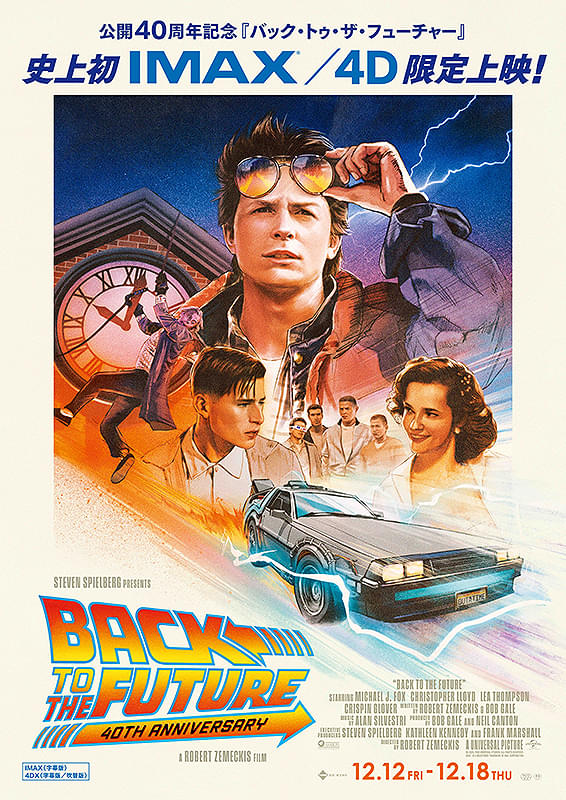
Produced in 1985; released theatrically in Japan in December 1985 / Director: Robert Zemeckis / Screenwriters: Robert Zemeckis and Bob Gale / Cast: Michael J. Fox, Christopher Lloyd, Lea Thompson, and others
Teenager Marty McFly is accidentally transported from 1985 to 1955 in a time machine created by his eccentric friend, Doc Brown. There he meets his parents as teenagers and inadvertently disrupts the events that would have brought them together.
Marty must repair their romance before he disappears from existence, while also finding a way back to his own time. The goals are easy to understand, the obstacles keep multiplying, and several urgent problems eventually begin moving toward resolution at once.
The screenplay plants casual lines and objects early, then turns them into later jokes, complications, and solutions. Viewers absorb the necessary information without feeling as if they are being instructed. When the film accelerates, every earlier detail seems to find its proper place.
Michael J. Fox’s light physicality and Christopher Lloyd’s explosive expressions support the pace. Their generational and temperamental contrast is visible before either explains it, making their unusual friendship immediately convincing.
Science fiction, school comedy, romance, music, family drama, and adventure all fit inside one clear movement. Decades after its release, the film remains fresh because it is engineered around the pleasure of watching a story unfold. First-time viewers should not approach it as homework about a famous classic. They should simply climb into the DeLorean and enjoy the ride.
(C)UNIVERSAL STUDIOS. All Rights Reserved
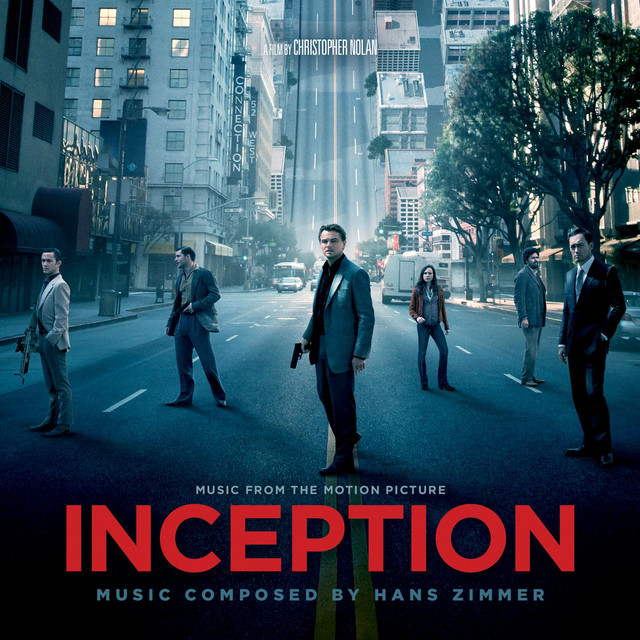
Produced in 2010; released theatrically in Japan in July 2010 / Director and Screenwriter: Christopher Nolan / Cast: Leonardo DiCaprio, Ken Watanabe, Joseph Gordon-Levitt, Marion Cotillard, and others
Dom Cobb is a specialist who enters the subconscious of sleeping targets and steals valuable ideas. He is offered a task that reverses the process: instead of extraction, he must plant an idea so deeply that the target believes it originated within his own mind.
The team enters a dream and then descends into a dream within that dream. Time moves at different speeds in each layer, and events above affect the worlds below. The concept sounds complicated, yet the film uses locations, colors, sounds, and clearly assigned roles to help viewers maintain a sense of direction.
Cities fold over themselves, gravity disappears from a hotel corridor, and several levels of action unfold simultaneously. The images are astonishing, but the film is not merely a demonstration of clever effects. Beneath the mission lies Cobb’s private inability to escape guilt and memory.
The operation requires an architect, a forger, a chemist, and other specialists. Because their functions are expressed through action, the intricate plot also delivers the pleasure of a team movie.
Do not worry about understanding every rule on the first viewing. First, experience the descent and the tension created when several clocks move at once. The desire to rewatch and inspect the architecture is part of the film’s appeal, but the first journey into its dream world is unique.
(C)2010 Warner Bros. Ent. All Rights Reserved
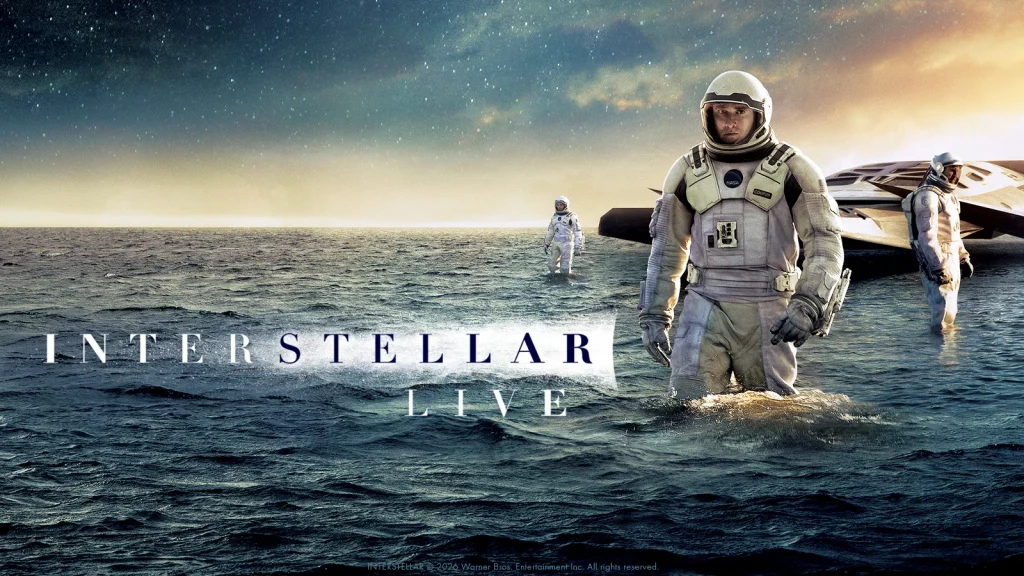
Produced in 2014; released theatrically in Japan in November 2014 / Director: Christopher Nolan / Screenwriters: Jonathan Nolan and Christopher Nolan / Cast: Matthew McConaughey, Anne Hathaway, Jessica Chastain, and others
In a future devastated by crop failure and environmental collapse, former pilot Cooper joins a mission to find a planet where humanity can survive. To do so, he must leave his children behind and travel beyond familiar space.
Despite its cosmic scale, the emotional center is the relationship between Cooper and his daughter Murph. He believes leaving is necessary to save his family. She experiences the same decision as abandonment. Both act from love, yet that love cannot reach the other person in the same form.
Near massive gravitational forces, time passes differently. A short period for the explorers may equal years on Earth. The phenomenon is scientifically fascinating, but the film turns it into something painfully human: lost family time that cannot simply be recovered.
Wide compositions emphasize the fragility of spacecraft against the universe. Silence, mechanical vibration, and Hans Zimmer’s immense score produce both awe and anxiety. Human beings appear small, yet the desire to return to one person remains powerful enough to drive them forward.
Viewers do not need to master every scientific term. Follow Cooper and Murph emotionally, and the larger ideas remain accessible. This is a film best experienced with a large image and powerful sound, where the scale of space can overwhelm you before the intimacy of a family story remains behind.
(C)2010 Warner Bros. Ent. All Rights Reserved
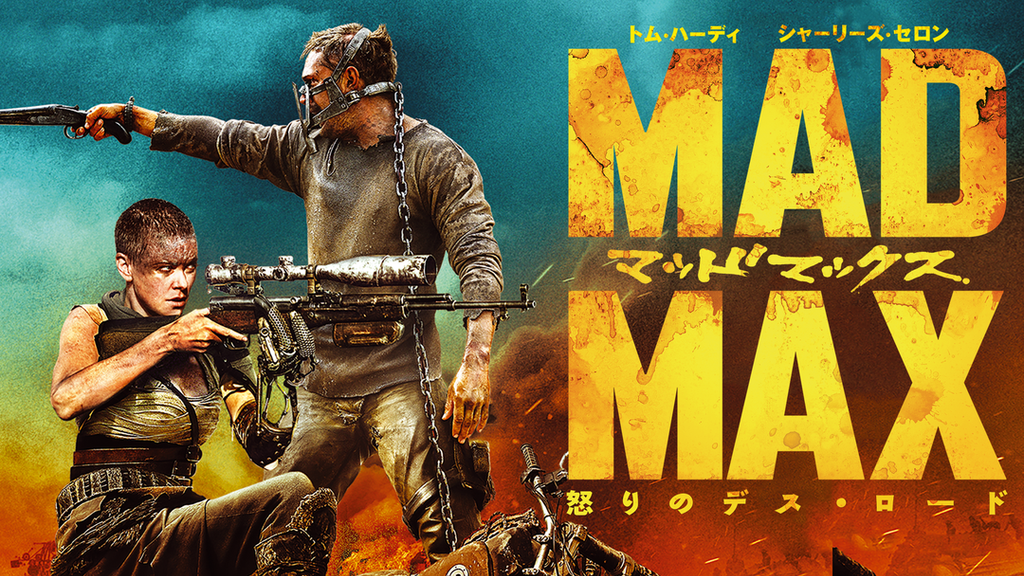
Produced in 2015; released theatrically in Japan in June 2015 / Director: George Miller / Screenwriters: George Miller, Brendan McCarthy, and Nico Lathouris / Cast: Tom Hardy, Charlize Theron, Nicholas Hoult, and others
Civilization has collapsed, and those who control water and fuel rule through fear. Wanderer Max is captured by the army of Immortan Joe. At the same time, Imperator Furiosa drives a massive War Rig away from Joe’s stronghold as part of a dangerous escape.
The basic movement is simple: one group runs while another gives chase. Within that structure, the film communicates character, social hierarchy, changing alliances, and the rules of its world with remarkably little exposition.
Vehicles, costumes, scars, posture, and placement in the frame tell us how people live and what power they possess. Even during rapid cutting, the center of action and direction of movement remain clear. The result is chaotic energy without visual confusion.
Furiosa earns trust through action rather than speeches. She and Max begin in suspicion, cooperate for survival, and gradually recognize one another’s abilities. Charlize Theron’s stance and restrained expressions suggest years of history that the script does not need to explain.
The weight of machines, orange dust, percussion, engine noise, and fire all become forward momentum. Artists who work with movement may especially appreciate the silhouettes, centers of gravity, anticipation before impact, and disciplined camera direction.
There is no need to study the world in advance. Being thrown into it and learning through motion is precisely the first-viewing experience the film offers.
(C)2015 VILLAGE ROADSHOW FILMS (BVI) LIMITED
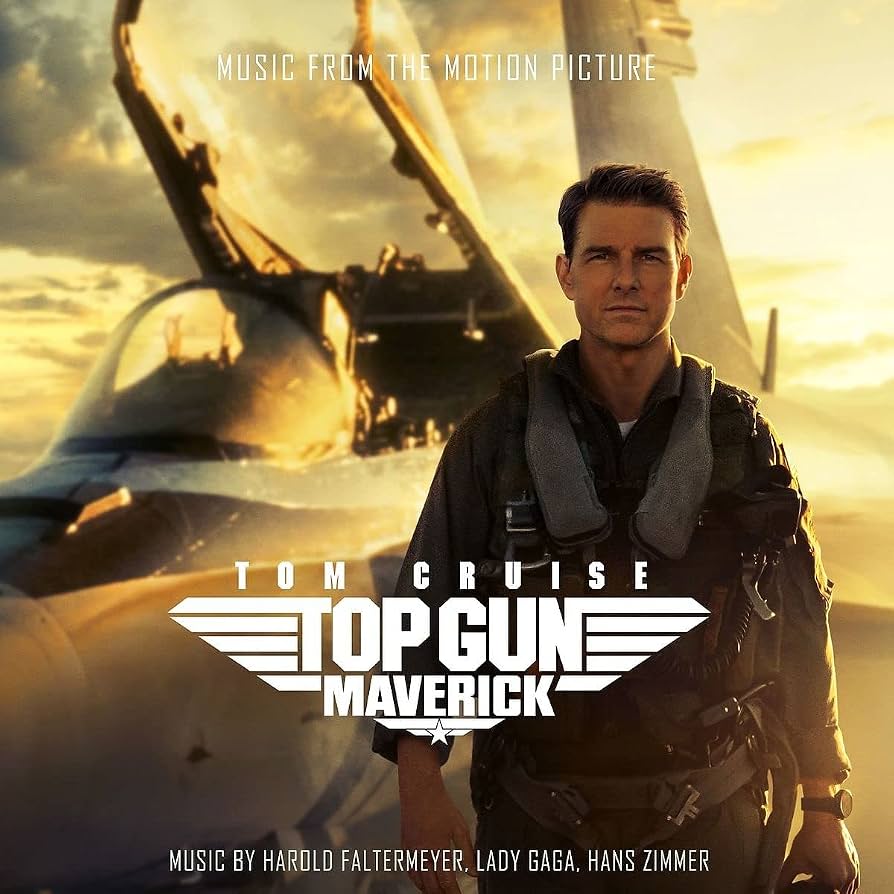
Produced in 2022; released theatrically in Japan in May 2022 / Director: Joseph Kosinski / Screenwriters: Ehren Kruger, Eric Warren Singer, and Christopher McQuarrie / Cast: Tom Cruise, Miles Teller, Jennifer Connelly, and others
Legendary pilot Pete “Maverick” Mitchell returns to the Navy’s elite Top Gun program as an instructor. His assignment is to prepare a group of young pilots for a mission with an extremely low chance of success.
The film is not satisfied with borrowing affection for the original Top Gun. It asks what happens when a man who cannot stop flying must pass his skills to another generation. Maverick has to confront old choices and learn the difference between protecting someone and trusting them to act.
The aerial sequences gain power from footage captured with performers inside actual aircraft. Faces strain under g-forces, cockpits shake, breathing changes, and confined space becomes palpable. This physical evidence gives the action a credibility that is difficult to reproduce through effects alone.
The route, obstacles, and time limits of the mission are established clearly. Viewers understand the challenge before watching the team train for it. Character development and operational preparation therefore advance together, and earlier conflicts acquire practical meaning during the final mission.
Tom Cruise’s star presence remains central, while Miles Teller brings unresolved tension to Rooster. Watching the first Top Gun adds emotional weight, but the sequel also works as a story about a teacher, a new generation, and a team learning to trust one another.
It fulfills the promises of classical blockbuster storytelling and then delivers the scale audiences hope for. It is the kind of film that makes a roomful of strangers hold their breath at the same moment.
(C)2021 Paramount Pictures Corporation. All rights reserved.