Did "Elfen Lied" Tear Apart Flesh or Our Ethics? — A Requiem of Sad Pure Love Blooming Between Gore and Moe
tarumaki
Enter the Moment
The kind of absurdity that makes you want to run away, or towering walls you can’t possibly overcome alone. When we feel like we are being crushed by such immense pressure in the real world, what supports our hearts might just be the existence of “someone fighting alongside us.”
The works I am introducing this time are stories of those who resist a cruel fate, keeping their eyes facing forward even while crawling through the mud. The tears they shed are not proof of weakness, but proof of the pride that they never compromised themselves until the very end. The sheer passion transmitted through the screen is sure to light a quiet fire in your heart once again.
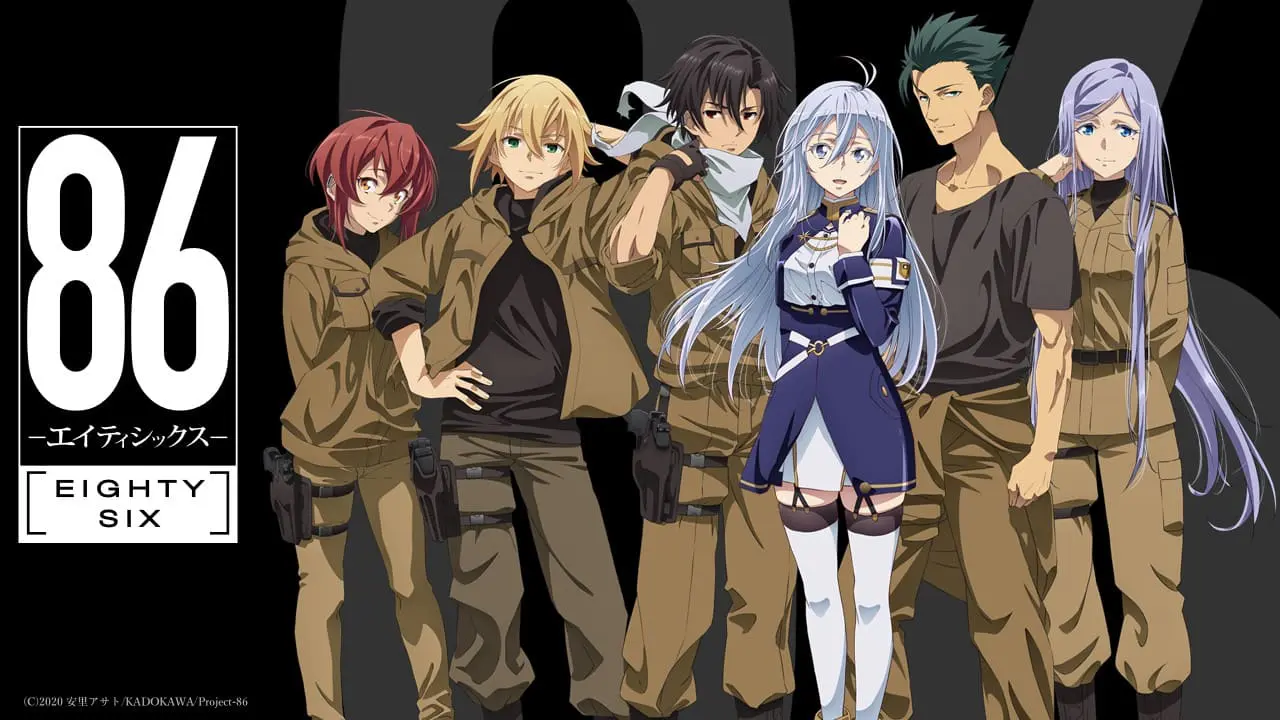
Based on the light novel by Asato Asato and adapted into a highly acclaimed anime in 2021, 86 -Eighty Six- is a sci-fi action war chronicle.
The story is set in a world locked in an endless war against the “Legion,” fully autonomous unmanned weapons developed by the Empire of Giad. The Republic of San Magnolia claims to defend itself using “unmanned” drones, maintaining a facade of zero casualties. However, in reality, boys and girls quarantined in the “86th Sector”—an area outside the Republic’s recognized 85 sectors—are forced to board “manned” weapons called “Juggernauts” and risk their lives in battle. Stripped of their humanity and denied even their names, they are referred to simply as the “Eighty-Six.”
The greatest appeal of this work lies in its profound depiction of the cruelty of discrimination and war, as well as the conflicts and bonds of these youths struggling to live as “humans” under extreme conditions. The sight of Shin and Lena communicating their hearts through wireless transmissions, aiming for a future together despite being worlds apart, is a deeply moving experience that strongly resonates with the viewer.
サンライズ制作の本作は、巨大帝国ブリタニアに支配された日本を舞台に、絶対遵守の力「ギアス」を得た元皇子ルルーシュが反逆を企てる物語です。
最大の魅力は、現実の地政学を彷彿とさせる緻密な頭脳戦と、結果を求めるルルーシュと理想を追う親友スザクの残酷な対立にあります。キャラクターの感情を際立たせる劇的な構図や大胆なカメラワークなどの映像技法が、修羅の道を歩む主人公の孤独な覚悟をより深く描き出し、観る者の倫理観を激しく揺さぶる傑作です。
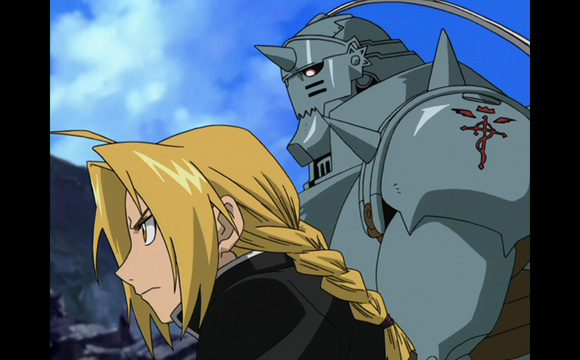
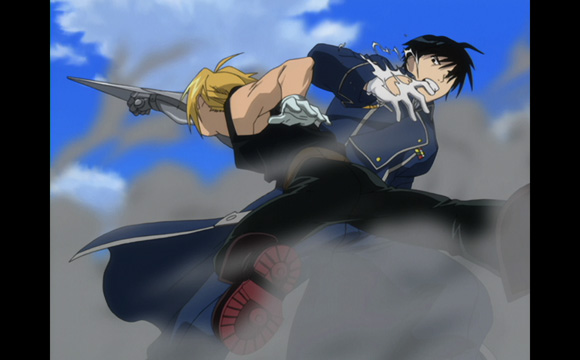
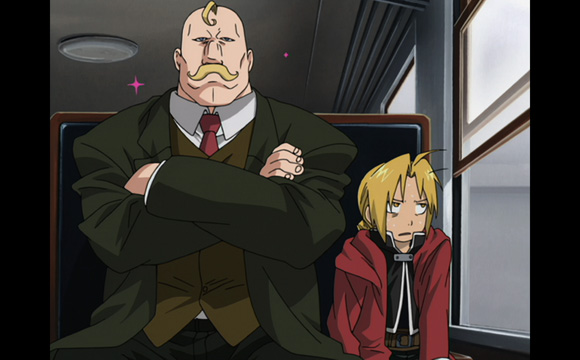
Produced by studio BONES and directed by Seiji Mizushima based on Hiromu Arakawa’s original work, this series steers toward its own grueling, anime-original story from the midpoint. Ed and Al, who committed a taboo out of longing for their late mother. At the end of a harsh journey that transcends the logic of “Equivalent Exchange,” the boys confront a cruel truth that questions the very nature of “justice” and the “soul.”
The greatest appeal of this work lies in its departure from the original: a “lack of salvation, and the celebration of humanity that lies beyond it.” By giving even the antagonistic homunculi tragic origins, this profound drama packed with raw love and hate violently shakes the viewer’s sense of ethics. The earnest prayer emitted by that final episode, which seemingly intersects with the real world, remains an impact that should be passed down to this day.
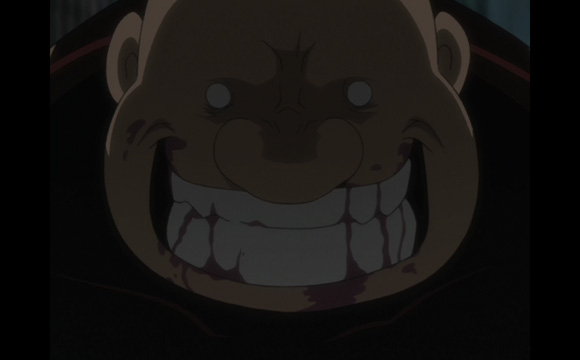
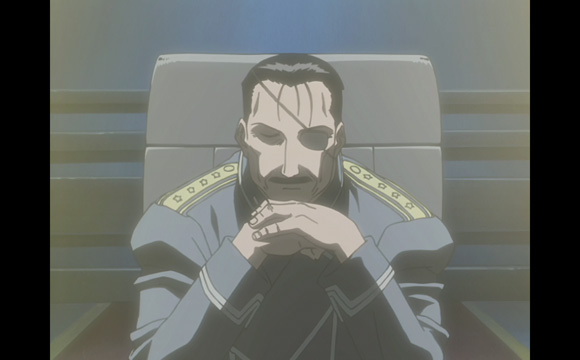
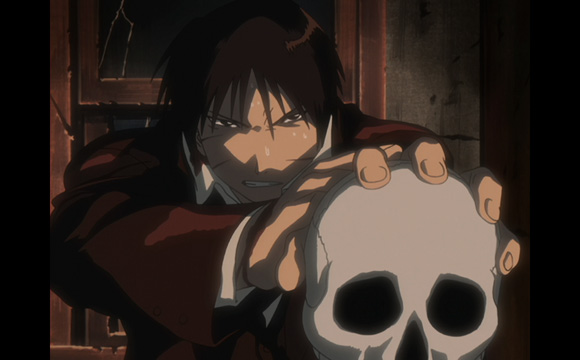
Based on the manga by Yoshitoki Oima and adapted into an anime in 2021, To Your Eternity is a grand and moving fantasy work themed around life, death, and growth.
The protagonist of the story is an “orb” later named “Fushi.” It is an immortal entity possessing the “ability to gather information” and the “ability to transform into the appearance of things that have stimulated it.” Starting as a rock, then moss, Fushi eventually takes the form of a boy living in the far north, and later a wolf, beginning to wander the world as it constantly changes its shape.
The greatest appeal of this work is how deeply it depicts the preciousness of life and the beauty of the human heart, sometimes interwoven with cruel portrayals. Through Fushi’s perspective, we are confronted with universal questions: “What does it mean to live?” and “What does it mean to connect with others?”
Broadcast in 2021, Vivy -Fluorite Eye’s Song- is an original anime masterpiece. Set in a near future where AI has become widespread, the story follows Vivy, the first-ever autonomous humanoid AI. She meets Matsumoto, a mysterious AI from 100 years in the future, and together they take on a grand mission to alter history and prevent a future where “AI annihilates humanity.” It is a profound sci-fi human drama.
Vivy’s mission as a cast member at the NiaLand amusement park is to “make everyone happy with her singing.” However, triggered by her encounter with Matsumoto, she becomes involved in various AI-related incidents across different eras. Along the way, she grapples with the conflict between her identity as an AI whose sole purpose is to sing, and the heavy burden of her new mission to change history.
The greatest highlights of this anime are the high-quality animation by WIT STUDIO, the compelling characters, and the highly unpredictable story progression. Interweaving various themes such as the relationship between AI and humans, the emotions poured into a song, and the sheer weight of changing the future, it is a work that delivers both deep emotion and relentless excitement.
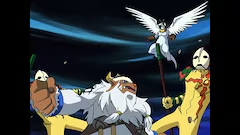
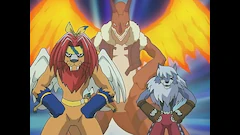
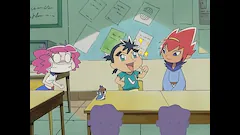
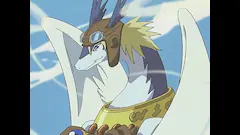
Directed by Akitaro Daichi, this work is a slapstick adventure tale of the Wind Dragon Shiron and the goofy boy Shu.
The greatest appeal lies in its overwhelming structural power. It makes a rapid transition from high-tempo gags in the early stages to profound themes such as the “weight of life” and “coexistence with others” in its turbulent final act. The bittersweet yet warm conclusion, brought about by their wind-like free bond, engraves an unfading impression on the viewer’s heart even now.

Broadcast in 2017, this series (abbreviated as Sukasuka) is based on the light novel by Akira Kareno and was co-produced by Satelight and C2C. The original author himself handled the series composition, with Junichi Wada serving as the director.
The story is set on floating islands after humanity was destroyed by unidentified monsters. In this land where surviving races live, the series depicts the bittersweet yet warm daily lives of the “Fairy Soldiers” (Leprechauns)—girls raised as weapons—and Willem, a young man who is a surviving Quasi-Brave.
The greatest appeal of this work is the overwhelming premonition of “death” and the beauty of “love” that lies at its opposite pole. The sight of these girls, destined to break and lose their lives if they fight, seeking “ordinary” happiness within their limited time brings tears to the viewer’s eyes. In particular, the symbolic promotional videos and in-show direction featuring the English folk song Scarborough Fair brilliantly express the ephemeral and fantastical worldview. Even now, years after its broadcast, it is passed down among fans as a legendary, masterpiece scene.
Produced by Studio Gokumi, this series tells the story of middle school students in the “Hero Club”—who normally participate in activities to help people—putting their lives on the line to fight against the enemies of humanity.
The greatest appeal lies in the stark contrast between their heartwarming daily lives and the cruel concept of “Sange”—a system where they lose their bodily functions as the price for fighting. The sight of these girls, burdened with the massive responsibility of the world’s survival, resisting such unreasonableness with painfully strong bonds is a masterpiece that violently shakes the viewer’s sense of ethics.
C – The Money of Soul and Possibility Control is an original anime produced by Tatsunoko Production and broadcast in 2011. It is a highly unique economic suspense fantasy that depicts the theme of “money” through an innovative combination of macroeconomics and battle action.
The protagonist, Kimimaro Yoga, finds himself participating in battles known as “Deals” within an alternate dimension called the “Financial District.” A “Deal” is a battle fought alongside a partner called an “Asset,” where participants bet their future possibilities against one another. It’s a high-risk, high-reward game: winning brings massive wealth, but losing gradually chips away at your own future.
As Kimimaro continues to fight, he learns the true meaning of money and what is happening behind the scenes of this world, eventually becoming entangled in a grand battle over the global economy.
Maoyu: Archenemy & Hero, based on a novel originating from an internet message board by Mamare Touno and adapted into a TV anime in 2013, is a unique fantasy work themed around “economics and geopolitics.”
The greatest appeal of this work lies in its approach to the question, “How can we end the war?” from the perspectives of macroeconomics and geopolitics.
The Soul-Shaking Power of Words: Highlighted by the historic speech by the “Older Maid Sister,” the series depicts the importance of “words” and “education” that change people’s consciousness, rather than military might. The narrative structure is brilliant, with even the Hero’s overwhelming combat power functioning merely as a single piece to support the Demon King’s intellectual strategies.
Realistic Transformation of a Medieval Society: The story is packed with fascinating elements, such as solving food crises through the four-field crop rotation of potatoes, the dawn of the Age of Discovery via the invention of the compass, and the establishment of monetary and taxation systems.
Geopolitical Conflict Structures: The conflicting interests of different factions—the “Central Nations,” the “Southern Nations (Frontier),” and the “Demon Realm”—intertwine complexly. Rather than a simple dualism of good and evil, it offers the fascination of unraveling the structural reasons behind why nations and organizations are economically driven to continue fighting.
This work depicts the fleeting days of girls who, after suffering near-fatal injuries, are modified into “cyborgs” (prosthetic bodies) to fight for a national assassination agency, alongside their handlers.
The greatest appeal lies in the contrast between the cold-hearted circumstances swirling with terrorism and the cruel purity of the girls, who cling to a “manufactured love” induced by brainwashing. The depiction of heavy firearms and the serene drama quietly pierce the viewer’s heart in this sorrowful masterpiece.
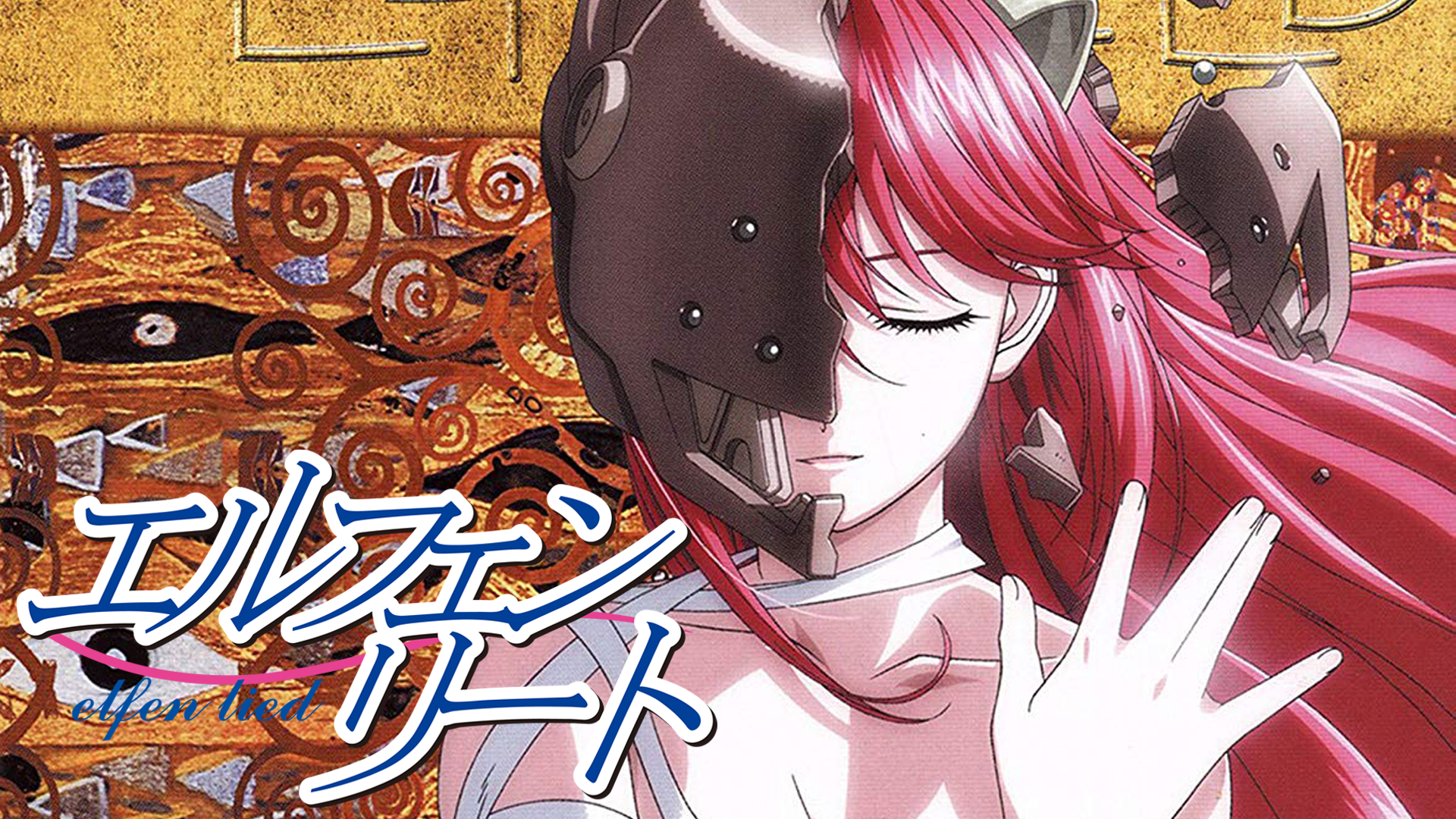
Broadcast in 2004, Elfen Lied is a pinnacle of sci-fi dark fantasy, based on the manga of the same name by Lynn Okamoto, directed by Mamoru Kanbe, and produced by studio ARMS.
The reason this work has not faded even after more than 20 years since its broadcast lies not merely in its extreme depictions. It is because it vividly portrays the primal fear of “discrimination” and “alienation” lurking deep within human psychology, alongside the “connection” we seek despite it all.
The Hope Named “Nyu”: Her time as the pure, speechless “Nyu” is a fleeting moment of rest granted to this sinful girl. The process of Kouta’s unconditional kindness becoming the sole salvation for a Lucy who had despaired at the world is overwhelmingly heartbreaking, and profoundly beautiful.
The Contrast Between Stillness and Motion, Ugliness and Beauty: The opening sequence boldly paying homage to Gustav Klimt’s masterpiece The Kiss, and the serene, hymn-like theme song Lilium. The almost religious beauty they exude, contrasted with the relentless, violent depictions unfolding in the main story, violently shakes the viewer’s psyche.
The Screams of an Oppressed Soul: Why did Lucy come to hate humanity? The gruesome episodes of her childhood shown in flashbacks blur the boundary between perpetrator and victim. The “Vectors” she wields are weapons that tear apart everything they touch, but at the same time, they begin to look like distorted “hands” reaching out from a lonely soul that was never allowed to be touched by anyone.