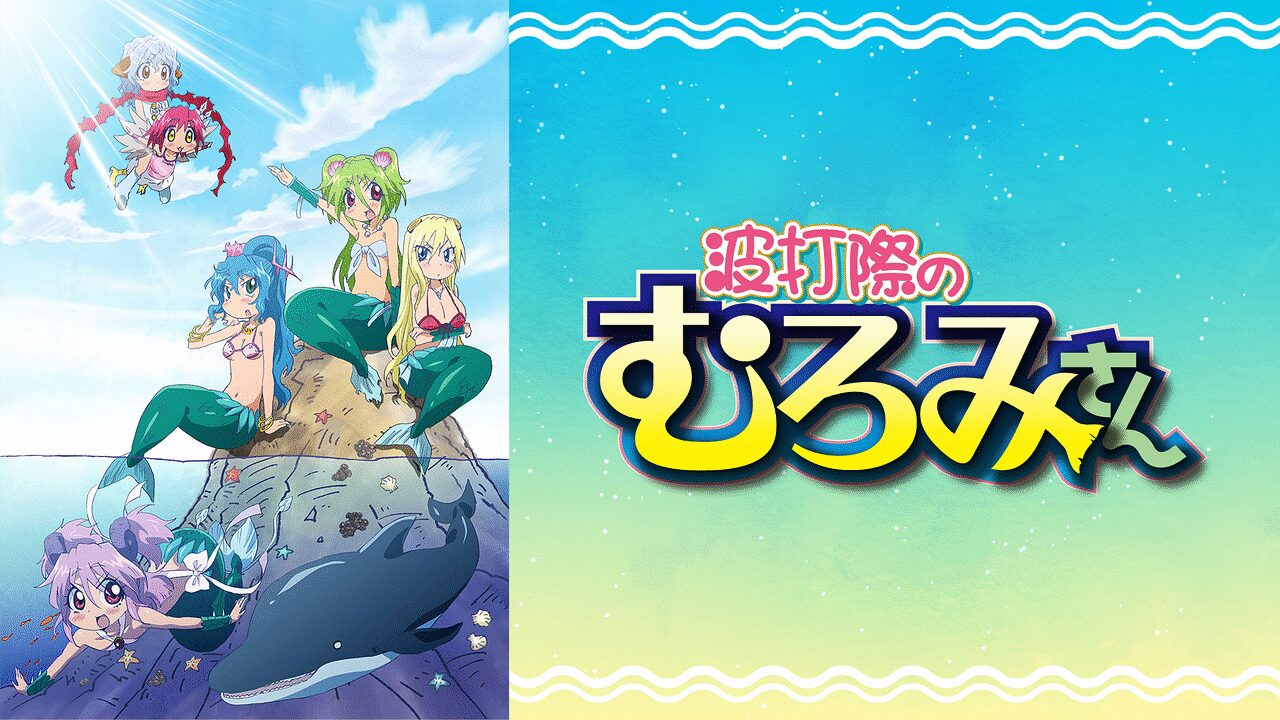
“The Mromi-san of the Waveline” — A Short Comedy of Mermaids, Myth, and Hakata Dialect
tarumaki
Enter the Moment
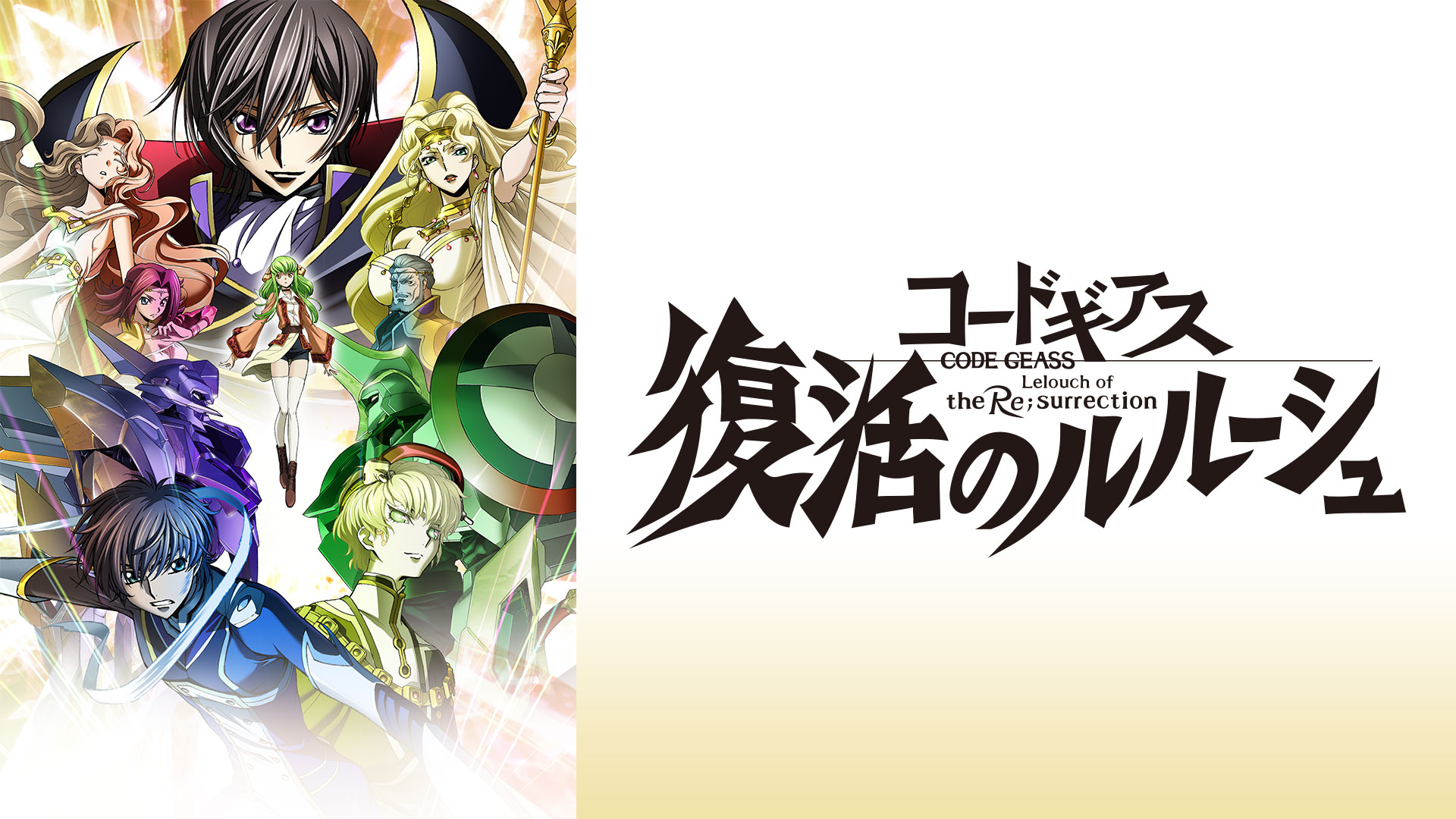
This is a completely new movie where Lelouch, resurrected by C.C.’s tenacity, stands on the board once again to face a new threat approaching a world that had regained peace.
The greatest appeal lies in the thrilling developments—such as fighting alongside former enemies like Suzaku—and the fact that Lelouch uses his intellect for his own “personal wish” for the first time. The 3D visual techniques that fully utilize the space of tense Knightmare battles and the impactful camerawork are alive and well. It is a masterpiece that shakes the heart with the beautiful return of a man who bore everything, and his ultimate answer to C.C.
Kowa Year 2. The world had unified around the reorganized United Federation of Nations, enjoying peaceful days. However, that peace suddenly comes to an end. Suzaku, accompanying Nunnally on a visit to a refugee camp as the masked man Zero, is defeated by a mysterious Knightmare Frame, and the two are taken away.
Under Schneizel’s secret orders, Kallen, Lloyd, and Sayoko infiltrate the warrior nation, the Kingdom of Zilkhstan, only to be attacked by a mysterious Geass user. And there, referred to as the “former leader” by the attackers, was C.C.
Set in an invincible kingdom that once shattered even the massive armies of the Holy Britannian Empire, is the wish the people envision hope or despair? What are the true intentions of the members of the Zilkhstan royal palace who know about Geass, and of C.C.?
“The only ones who should kill are those who are prepared to be killed.”
Embodying these words, Lelouch vi Britannia severed the world’s chain of hatred by sacrificing his own life. The final episode of the TV anime Code Geass: Lelouch of the Rebellion R2, titled “Zero Requiem,” was an ending that shone brilliantly in anime history—all too beautiful, and all too cruel. Many fans shed tears and firmly believed that this perfect ending was the absolute pinnacle of Code Geass.
That is precisely why, when the production of the all-new movie Lelouch of the Re;surrection was announced, fans’ feelings must have been complicated. “It ended so beautifully; won’t bringing him back ruin it?” “Won’t the weight of the Zero Requiem be lost?” I myself remember heading to the theater harboring as much anxiety (or even a sense of rejection) as expectation.
However, what was projected on the screen was a superb piece of entertainment that effortlessly vaulted over the fans’ bewilderment, presenting full-throttle fan service and new possibilities. Today, from the perspective of a veteran columnist, I will unravel the true value of Lelouch of the Re;surrection, a work that sparked controversy but ultimately brought “salvation” to many fans.
The Lelouch who appeared before us at the beginning of this work was not the arrogant Demon King of the past. Having deviated from the logic of the World of C, only his body was resurrected, leaving him in an infantile state, unable to speak properly and constantly frightened. Many must have been shocked by the sight of C.C. traveling while devotedly caring for him.
Until now, as Lelouch’s accomplice, C.C. had never dropped her somewhat aloof and philosophical attitude. However, in this film, she carries heavy baggage, her back hunched, running around solely to regain Lelouch’s mind. Wearing unadorned, simple clothes and fighting muddily to protect Lelouch, her figure conveyed an extraordinary, deep affection. The immortal witch who had been killed countless times and lived in loneliness throughout a long, miserable life had finally found her “one and only attachment.” Just watching these first 20 minutes makes this work more than worthwhile.
And then comes the moment when, after a chance reunion with his former comrades, Lelouch’s soul achieves true “resurrection.” The Geass activation scene, unleashed with his familiar pose, brought a sense of elation that made me instinctively want to pump my fist in the theater. The overwhelming catharsis of “He’s back!” gave us an excitement that transcended logic.
This work is not a pure sequel to the TV series, but a story that follows the continuity of the compilation movie trilogy (Initiation, Transgression, Glorification). Therefore, Shirley, who met a tragic death in the TV version, is alive (though her screen time was short, her smile in the ending burst my tear ducts), and some settings are different. It is understandable that some have negative opinions about this “what if” setting, questioning, “What was the point of Lelouch’s resolve back then?”
However, within the limited runtime of a movie, this setting change worked out well. The development where former enemies and allies intermingle to face a common foe is truly an all-star thanksgiving festival by a “Dream Team.” In particular, scenes like Kallen and Suzaku fighting back-to-back, or the former Britannian faction like Schneizel and Cornelia, along with the members of the Black Knights (Sayoko and Jeremiah’s covert maneuvers were also fantastic) acting under Lelouch’s command, can be considered the ultimate reward for longtime fans.
The enemy’s ability, a “Geass that turns back time,” was also extremely troublesome. How would Lelouch conquer an opponent who manipulates time through mind games (and a muddy brute-force approach)? Against the rule-breaking ability of time leaping, Lelouch’s words, “Do not deny me!” pierced through—a brilliant logical conclusion. Although it’s pitiful to think about how many times Suzaku was beaten to a pulp (laughs), including that, it was a fast-paced development typical of Code Geass.
And then, the most beautiful and probably the most controversial final scene of this work. Bidding farewell to Nunnally, Suzaku, and the others, Lelouch chases after C.C., who is about to depart alone, and tells her: “I have discarded the name Lelouch Lamperouge. From now on, I will call myself L.L.”
The meaning of these words. It was Lelouch’s ultimate proposal to C.C., who was destined to live in eternal loneliness as an immortal witch, declaring that he would live in the same time (carry the cross together) with her. C.C.’s expression changed from a blank stare to crying and laughing like a child. The backs of the two, hugging a stuffed animal and walking off into the wasteland hand in hand, was a pure form of “happiness” that could never be seen in Code Geass until now.
“I wanted Lelouch to be happy.” For the happy-ending faction fans who secretly wished for this while understanding the beauty of the Zero Requiem, there is no salvation more perfect than this. They will likely continue to live on, bearing the new crime and punishment of recovering the fragments of Geass scattered around the world and watching over the world from the shadows. It was a splendid open ending that put a period to Lelouch’s story while connecting the worldview of Code Geass to the future (such as Rozé of the Recapture).
Code Geass: Lelouch of the Re;surrection might not escape the criticism of being an “unnecessary addition” to a perfect original story. However, that addition was filled with every ounce of “love” from the production team to the fans and to the characters.
A boy who lost everything and died carrying the weight of it all is given life once more, and this time chooses to live “to share the loneliness of one woman.” If you have continued to harbor mixed feelings about the ending of the TV series. Or if you wished to see even a little of Lelouch and C.C. being happy. This movie should become an irreplaceable “treasure” for you.
It doesn’t end with just pretty words, but there is certainly salvation. I send my heartfelt applause to the greatest “reunion,” a fitting finale to the magnificent story of Code Geass.
©SUNRISE/PROJECT L-GEASS Character Design ©2006-2018 CLAMP・ST